
Stroke Recovery Care at Home: A London Planning Guide

Joyful Care is an introductory agency. Clients contract with and direct self-employed carers; Joyful Care does not manage ongoing personal care. Read our CQC and CIW status.
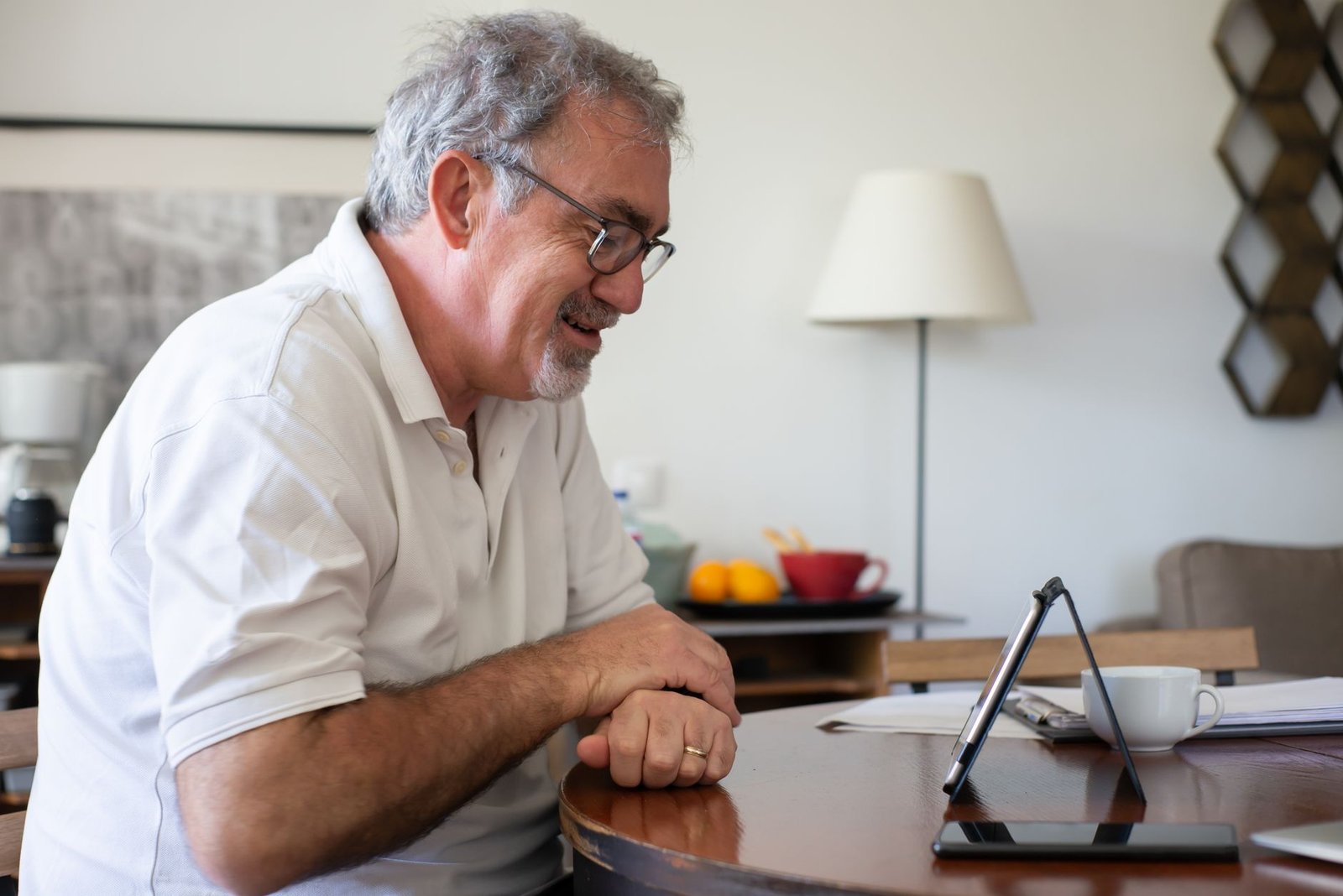
Stroke recovery care at home often begins with a practical handover after hospital discharge. Families may be balancing therapy appointments, fatigue, mobility changes, communication difficulties, and a new daily routine. This guide helps you prepare questions and a home-support brief while keeping rehabilitation and clinical decisions with the person’s professional team.
Would you like to talk through your situation?
Call +44 20 8156 5799Start with the discharge and rehabilitation plan
Before arranging extra support, ask the hospital or rehabilitation team to explain the discharge plan in plain language. Keep the follow-up appointments, therapy advice, equipment instructions, medication information, and contact numbers together. Ask who to contact if the person’s needs change or a new concern appears.
The person’s goals should lead the plan. Recovery is different for everyone, and a family should not compare one person’s progress with another’s. Write down what the person can do, what takes longer, and what they want to practise or continue. A carer can support agreed routines but should not invent exercises or clinical advice.
Keep the handover
Store professional instructions, appointments, contact details, and equipment guidance in one accessible place.
Make information usable
Keep routines
Plan meals, rest, communication, and everyday activities around the person’s energy and preferences.
Pace the day
Watch for change
Agree who receives updates and when the professional team should be contacted.
Escalate early
Planning daily support at home
Describe the person’s morning, afternoon, and evening. Include transfers, meals, dressing, communication, rest, appointments, and the activities that make the day meaningful. Mention stairs, bathrooms, entrances, pets, parking, and equipment. A realistic home description helps a provider and carer decide whether the arrangement is suitable.
Fatigue can change during the day. Build in rest and avoid treating every difficult moment as a failure. Ask the rehabilitation team how the person should be supported with movement, communication, or equipment. If a task is outside the carer’s role, record who provides it instead.
- Preferred communication method, language, hearing, and vision considerations
- Mobility, transfers, equipment, falls risks, and current professional advice
- Meals, hydration, sleep, rest, and the person’s daily priorities
- Therapy appointments, transport, and who accompanies the person
- Emergency contacts, warning signs, and the agreed escalation route
Communication, confidence, and choice
A stroke can affect speech, language, reading, attention, or confidence. Give the person time to respond and ask the speech and language team for guidance. Use the communication method the person prefers, such as writing, pictures, gestures, or a communication aid. Never assume that difficulty speaking means the person has nothing to say.
Include the person in decisions as much as possible. Ask before helping, explain what is happening, and respect a wish to pause. A calm, consistent carer can make everyday routines easier, but the arrangement should remain centred on the person rather than on the convenience of the household.
Keep clinical boundaries clear. A support brief can describe what the professional team has advised. It should not replace a therapist’s assessment, change a medicine plan, or promise a recovery outcome.
Choosing the right home-support arrangement
Families may consider visiting help, a live-in carer, respite, or a mixture of family and professional support. Compare the person’s needs, the home, the required breaks, and the practical schedule. A live-in carer generally needs a private bedroom and agreed rest; a visiting rota needs realistic travel time and cover when someone is absent.
Joyful Care is an introductory agency. Clients contract with and direct self-employed carers; Joyful Care does not manage ongoing personal care. Read the CQC and CIW status page and ask any provider who directs the care, who pays the carer, and what happens if the match ends.
Comparing stroke-support costs
Ask for a current written quote that explains the arrangement, hours, duration, carer payment, introduction or agency fees, travel, meals, breaks, and notice. Confirm whether the quote assumes help with personal care or only practical and companionship support. Costs cannot be compared fairly when the duties are different.
If the family is exploring council or NHS help, contact the relevant team for current assessment information. Funding eligibility depends on assessed needs and cannot be promised by a private provider. Keep a copy of the discharge and assessment paperwork for each conversation.
Need help preparing your home-support questions? Call 020 8156 5799 for an introductory conversation.
A steady next step after discharge
Gather the discharge plan, professional contacts, home details, the person’s priorities, and a list of tasks that need clarification. Then speak with the rehabilitation or social-care team and a provider that explains its role. Good support gives the person time to recover, choose, and ask for changes.
Joyful Care can discuss stroke-recovery introductions across London and explain what information is needed before a possible match.
Frequently asked questions
Can stroke recovery support be provided at home?
Many people continue recovery at home, but the right support depends on the person’s assessment, rehabilitation plan, home, and safety needs. Follow the advice of the relevant clinical team.
What should we prepare before discharge?
Ask for the discharge plan, therapy advice, medicines information, equipment guidance, warning signs, contact numbers, and details of follow-up appointments. Share only the information needed for an agreed support arrangement.
Can a live-in carer provide stroke-recovery support?
A live-in carer may support agreed routines and daily activities when the home and role are suitable. They should not replace a therapist, nurse, or doctor or perform tasks outside the agreed role.
How much does stroke recovery care at home cost?
Costs vary with the arrangement, duration, needs, and carer match. Request a current written quote that explains all fees, carer payments, breaks, travel, and other expenses.
What if communication is difficult after a stroke?
Ask the speech and language or rehabilitation team for guidance. A support brief can describe the person’s preferred communication, but it should not invent therapeutic advice.
How do we start with Joyful Care?
Call 020 8156 5799 or use the contact page. We ask about the person, the home, timing, and current professional support before discussing a possible introduction.
Official guidance and further reading
Care and funding rules can change. These sources are useful starting points; they do not guarantee a care package, a carer match, or a funding decision.
Contact Joyful Care
Call for a calm, no-pressure conversation about the person, the home, timing, and the support you are considering. We will explain our introductory role and the information needed before any possible match.
Direct line
+44 20 8156 5799Office
128 City Road, London EC1V 2NX
Would you like to discuss support after a stroke?
We respond to enquiries as promptly as the details and a suitable introduction allow.