
Dementia Care K&C and H&F: Specialist Live-In Support at Home

Joyful Care is an introductory agency. Clients contract with and direct self-employed carers; Joyful Care does not manage ongoing personal care. Read our CQC and CIW status.
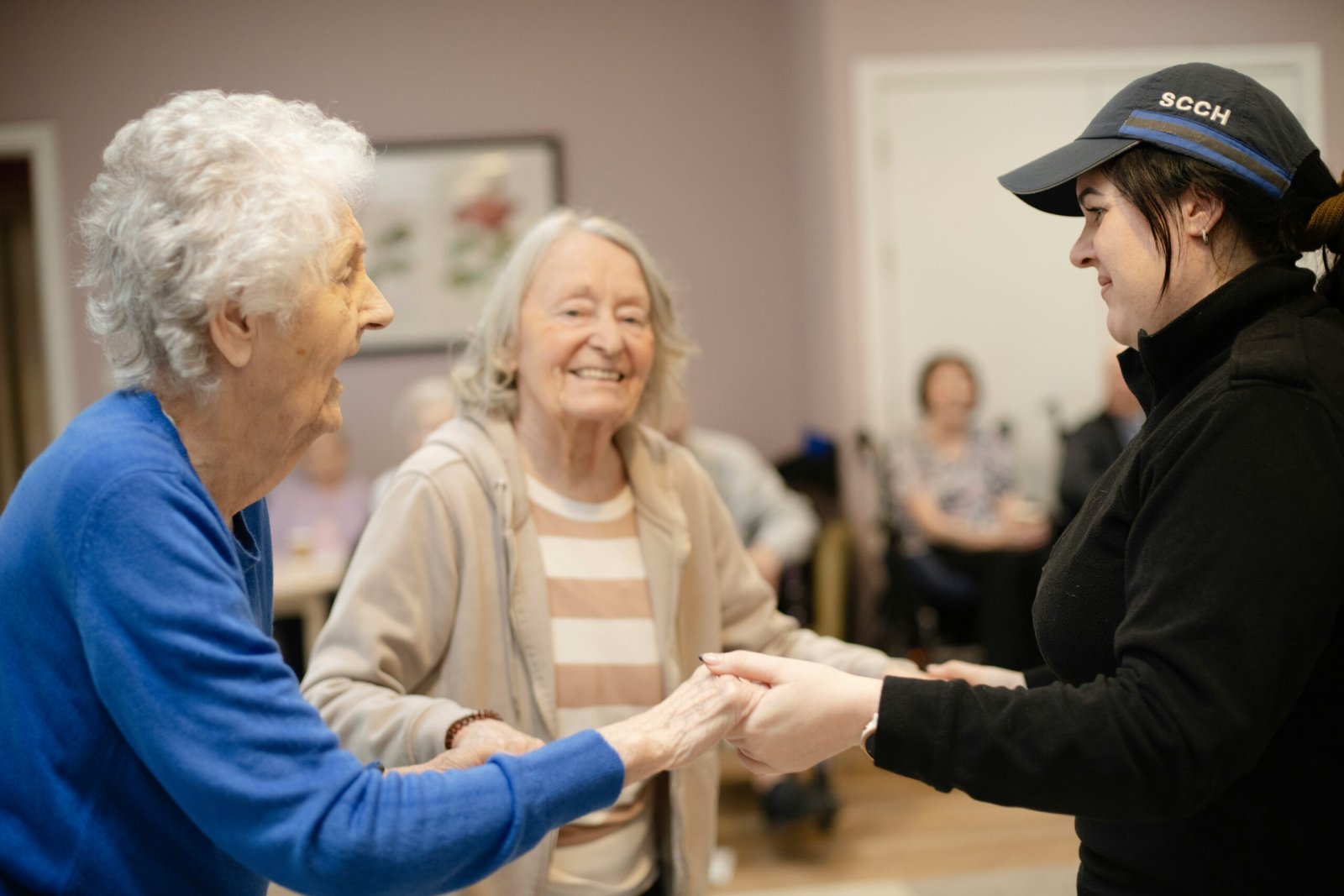
Dementia Care in Kensington & Chelsea and Hammersmith & Fulham is a personal decision. Dementia care in Kensington & Chelsea and Hammersmith & Fulham is planned around familiar routines, communication, and the person’s own home. Joyful Care introduces families to self-employed carers who can provide steady day-and-night presence across Kensington, Chelsea, Hammersmith, Fulham, Shepherd’s Bush, and Barons Court, subject to a careful assessment and suitable availability.
Would you like to talk through your situation?
Call +44 20 8156 5799Planning dementia care in Kensington & Chelsea and Hammersmith & Fulham
Dementia can change from day to day. A familiar home, clear routines, and a consistent person can reduce avoidable confusion, while families still need honest advice when needs become more complex. In Kensington & Chelsea and Hammersmith & Fulham, support may include reassurance, meals, personal care, safer movement around the home, and company at appointments. The right plan is individual and should be reviewed as the condition changes.
A typical day may include help choosing clothes, preparing familiar food, taking a walk or doing an activity, and settling into the evening. In Kensington & Chelsea and Hammersmith & Fulham, the person might have strong connections to a particular market, park, church, club, or neighbour; keeping those links can be as valuable as completing a task. Good support notices distress early and shares concerns promptly.
Steady routines
The carer learns the person’s preferred sequence for mornings, meals, rest, and evenings.
Planned around your needs
Companionship
Conversation, familiar activities, and calm reassurance can make the day feel more manageable.
Planned around your needs
Family partnership
Relatives receive agreed updates and know who to contact when needs or risks change.
Planned around your needs
A useful first conversation covers the person’s wishes, the home, any risks already identified, who is involved, and what a successful week would look like. That information helps the family decide what should happen next without being rushed into a commitment.
Consistency, communication, and changing needs
Care works better when everyone has enough information and enough breathing space. Families can be tired, worried, or unsure how to ask for help; the person receiving support may be protective of their independence. A respectful plan names those feelings and turns them into practical choices about timing, privacy, routines, and contact.
The carer’s role is agreed in advance. They can provide companionship and practical help, notice changes, and pass concerns to the family or relevant professional. They should not diagnose, promise a clinical result, or take over decisions that belong to the person, their representatives, or their healthcare team.
Families should also agree how the arrangement will be reviewed. A short check-in after the first few days can catch small practical issues, while a fuller review can consider sleep, meals, mobility, mood, communication, and the person’s own view. If needs change, pause and ask the relevant professional for advice before adding new tasks.
Start with the next safe step. Write down the question that needs answering today, then ask the appropriate local authority, NHS team, or care professional alongside any private enquiry.
Local support and practical planning in Kensington & Chelsea and Hammersmith & Fulham
Public services can explain assessments, benefits, clinical pathways, and support for unpaid carers. They work alongside a private arrangement; they do not endorse a particular carer introduction. Use the official links below to check current eligibility and contact details for Kensington & Chelsea and Hammersmith & Fulham.
Local authority adult social care
Ask about needs and carer assessments through the relevant borough.
Carers Network
Independent support for carers across H&F, K&C, and Westminster.
NHS social care guidance
Explains assessments, support, and questions to ask.
Joyful Care status
Read how Joyful Care operates as an introductory agency.
What dementia care can include
The final list is agreed with the person and family before an introduction. Depending on the assessment, it may cover:
- Personal care with dignity and respect for the person’s preferences
- Meals, drinks, shopping, and light household routines
- Companionship, conversation, and support to keep familiar interests
- Mobility and transfer support within the agreed plan and professional guidance
- Preparation for appointments and help communicating questions
- Observation of changes and prompt escalation when something seems different
- Clear handovers and agreed updates for relatives
Some tasks need a registered professional, specialist equipment, or a separate service. Those boundaries should be clear before the arrangement begins, especially for medication, clinical treatment, moving and handling, and overnight needs.
Dementia Care costs and funding
Costs for dementia care in Kensington & Chelsea and Hammersmith & Fulham depend on the person’s needs, the home, the length of the arrangement, and the carer match. Ask for a current written quote that explains the daily or weekly fee, introductions, travel, breaks, notice, and any separate expenses. A headline price without those details is not enough to compare options fairly.
- Ask what the quoted fee includes and whether there are separate travel or introduction costs.
- Confirm the expected hours of active support, rest arrangements, and cover for breaks.
- Check notice, cancellation, review, and safeguarding procedures in writing.
- Ask the NHS or council about assessments before assuming a funding route applies.
Need a clear conversation about your situation? Call 020 8156 5799 for an introductory discussion.
A planning example in Kensington & Chelsea and Hammersmith & Fulham
Imagine a family in Kensington & Chelsea and Hammersmith & Fulham whose relative is finding everyday tasks harder after a change in health. The family writes down the current routine, asks the community team what support is safe, and explains the home layout and preferred neighbourhood activities. They decide they need a live-in presence for an initial period while the wider plan is reviewed.
During the first week, the carer follows the agreed routine, records questions for the family, and supports ordinary activities at the person’s pace. A relative checks in using the agreed method, and any concern about symptoms or safety is passed to the appropriate professional rather than handled by guesswork.
At the review point, the family looks at what is working, what is not, and whether the arrangement should continue, change, or end. The example is illustrative: every family needs its own assessment, written expectations, and decision about affordability and suitability.
Frequently asked questions
What does dementia care in Kensington & Chelsea and Hammersmith & Fulham include?
Support is agreed around the person’s needs and can include personal care, meals, mobility, companionship, appointments, and household routines. The exact tasks are set out before a match.
How quickly can support start?
Timing depends on the assessment, information available, a suitable carer, and the family’s preferred start date. We give a realistic update rather than promise a fixed timeframe.
Can the person stay at home?
Many families choose home support because familiar surroundings matter, but suitability depends on the home, needs, risks, and professional advice. A proper assessment should address those points.
How much does dementia care cost?
Costs vary with needs, duration, and the carer match in Kensington & Chelsea and Hammersmith & Fulham. Ask for a current written quote covering the full arrangement and any separate expenses.
Can the NHS or council help?
Possibly. Ask for a needs or carer assessment and discuss NHS funding routes if health needs are significant. Eligibility is decided by the relevant public body.
How do we get started?
Call Joyful Care on 020 8156 5799 or use the contact page. We will ask about the person, the home, timing, and the support already in place before discussing a possible introduction.
Official guidance and further reading
Eligibility, clinical advice, and public funding can change. These sources are useful starting points; they do not guarantee a care package, a carer match, or a funding decision.
- Respite Care K&C and H&F: Short-Term Live-In Support for Family Carers
- NHS Continuing Healthcare in Kensington & Chelsea and Hammersmith & Fulham: Your Complete 2026 Funding Guide
- Dementia Care Westminster: Staying Safe and Supported at Home
- NHS social care and support guide
- CQC guidance on introductory agencies
- Find your local council
Contact Joyful Care
Call for a calm, no-pressure conversation about timing, the home, and the type of support you are considering. We will explain the next step and the information needed before any introduction.
Direct line
+44 20 8156 5799Office
128 City Road, London EC1V 2NX
Ready to discuss dementia care?
We respond to enquiries as promptly as the details and a suitable introduction allow.