
Preventing Falls at Home: Practical Steps for Families

Joyful Care is an introductory agency. Clients contract with and direct self-employed carers; Joyful Care does not manage ongoing personal care. Read our CQC and CIW status.
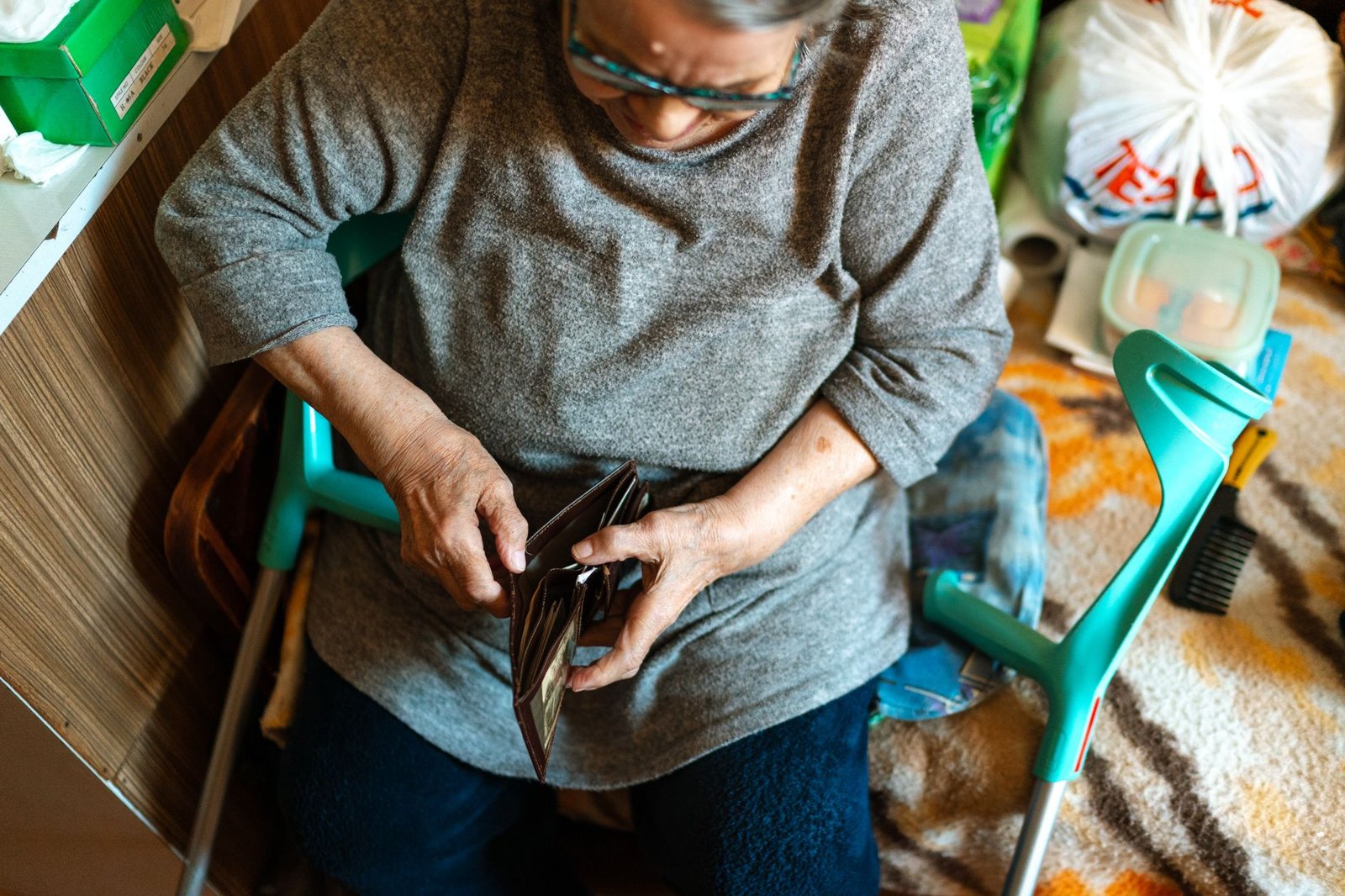
Preventing falls at home is often a matter of making everyday activities safer, rather than restricting an older person’s independence. Small changes to lighting, flooring, footwear, routines and support can make the home easier to move around.
Falls can happen for many reasons, including reduced strength, changes in balance, poor vision, tiredness, medication effects or an unfamiliar environment. This guide offers practical points for families in London. For concerns about health, balance, dizziness, pain or medication, speak with the person’s GP or clinical team.
If your relative is becoming less confident at home, regular companionship or live-in care may provide helpful day-to-day support. Joyful Care introduces self-employed live-in carers to families. The family contracts with and directs the carer, while Joyful Care does not employ carers or manage ongoing personal care.
Would you like to talk through your situation?
Call +44 20 8156 5799Start with a calm home safety check
Walk through the home at the time of day when your relative is most likely to move around. Ask them what feels difficult or worrying. A person may know that a hallway feels unsafe, for example, but not have considered that glare from a window or a loose mat is contributing to the problem.
Look for clear routes between the bed, bathroom, sitting room and kitchen. Remove trailing wires, loose rugs and clutter from walkways. Keep frequently used items within easy reach so the person does not need to stretch, climb or use a chair as a step. Make sure furniture is stable and does not slide when used for support.
Keep floors dry and deal promptly with spills. Check that outdoor paths, entrances and steps are also reasonably clear. In a London home, space can be limited, so avoid creating narrow routes with storage boxes, laundry or furniture.
Do not make major changes without involving your relative. Moving familiar furniture may create confusion, particularly for someone living with dementia. Explain each change and give the person time to get used to it. You may find it useful to read our guide to mobility and frailty care when considering wider support needs.
Improve lighting and visibility
Poor lighting can make changes in floor level, furniture and doorways harder to see. Aim for even lighting throughout the home, with particular attention to the route to the bathroom and the stairs. Reduce dark patches and strong glare where possible.
Switches should be easy to reach at the entrance to each room. A bedside light or other suitable light source can help someone see before standing up. If the person gets up at night, consider how the route can be lit without requiring them to walk across a dark room first.
Keep glasses clean and make sure the person uses any prescribed visual aids as advised. Avoid leaving bags, shoes or other objects where they may blend into the floor. Contrasting edges can make steps and thresholds easier to identify, but changes should be chosen carefully so they do not look like obstacles.
Stairs need special attention. Keep them free from belongings, make sure handrails are secure and check that stair lighting works. Do not encourage an older person to use stairs alone if they feel unsafe. Their GP, occupational therapist or other clinical professional may be able to advise on mobility and equipment suited to their circumstances.
Make bathrooms and transfers safer
Bathrooms often involve wet surfaces, turning, reaching and getting up or down. Keep the floor as dry as possible and make sure towels, soap and clothing can be reached without leaning too far. A stable, suitable seat may help someone who becomes tired while washing, but equipment should be assessed for the individual rather than chosen simply because it is available.
Take care with getting in and out of bed, chairs and the bath. Encourage your relative to pause after sitting up before standing if they feel light-headed, and to tell someone when a transfer feels difficult. Do not pull them up by the arms or try to catch a falling person in a way that could injure either of you.
Professional advice may be appropriate if your relative has fallen, is unsteady, or needs help with transfers. Ask the GP or local council about an assessment and any equipment advice. If a fall has caused an injury, severe pain, a head impact, loss of consciousness or a sudden change in behaviour, seek urgent medical help. Do not move the person unnecessarily if you suspect a serious injury.
A clear care plan should explain what help is needed and what the person can do safely themselves. This supports consistent assistance from family members, visiting professionals or a live-in carer.
Review routines, clothing and footwear
Falls risk may increase when someone is rushed. Build extra time into morning routines, bathroom visits and getting ready to go out. Keep a phone, call system or another agreed way to request help within reach, especially if your relative spends time alone.
Encourage well-fitting footwear with a secure fastening and a sole that provides suitable grip. Loose slippers, backless shoes and socks on smooth floors may be less stable for some people. Clothing should not trail on the floor or catch around the feet. Ask your relative what feels comfortable, and seek professional advice if balance or foot problems are affecting their confidence.
Notice when difficulties occur. Is your relative unsteady after waking, when tired, after sitting for a long time or when turning quickly? Write down what happened, including any near falls. This information can help the GP or clinical team consider possible causes and whether a medication review or further assessment is appropriate.
Do not change prescribed medication or encourage exercises that have not been recommended for the person. A GP, physiotherapist or other qualified professional can advise on suitable activity, strength and balance support. Our guide to recognising when an elderly parent needs care at home may also help you identify whether falls are part of a wider change in daily needs.
Plan support without taking over
Safety and independence are not opposites. The aim is to provide the right help for tasks that are risky, while allowing the older person to continue doing what they can safely manage. Ask before helping, explain what you are doing and avoid treating your relative as incapable.
Family members can agree who checks in, who handles household tasks and who contacts professionals. Keep important information in an agreed place, including emergency contacts, relevant health details and instructions from the clinical team. Make sure everyone understands what to do after a fall or near fall.
If your relative is alone for long periods, consider whether companionship, visits or more continuous support would help. A carer may remind someone to use their walking aid, keep routes clear, prepare meals and offer reassurance, but the arrangement must reflect the person’s needs and preferences. A carer should not improvise clinical instructions or alter treatment.
Joyful Care can introduce self-employed live-in carers to families considering support at home. The client and carer agree how care is arranged, and the client directs the carer’s day-to-day work. If this may suit your family, read our complete guide to live-in care and request a written quote based on your relative’s circumstances.
Review the plan after a fall or change
A falls-prevention plan should change when your relative’s health, confidence, mobility or living arrangements change. Review it after a fall, near fall, hospital stay, new diagnosis, change in medication or noticeable deterioration in walking. Contact the GP or clinical team about health concerns rather than trying to identify the cause alone.
Ask whether the person is avoiding a room, holding onto furniture, refusing to bathe or becoming frightened at night. These may be signs that the current arrangement no longer provides enough support. Reduced activity can also affect confidence, so discuss suitable ways to remain active with an appropriate professional.
After any incident, write down where it happened, what the person was doing, the lighting and flooring, footwear, whether they were carrying anything and whether there was an injury. This is not about blame. It helps the family spot patterns and gives professionals useful information.
Sometimes the safest option is temporary help after discharge or while relatives arrange a longer-term plan. Our guide to hospital discharge care at home in London explains some practical questions families can consider. If the home itself is no longer suitable, discuss alternatives with the local council and relevant professionals.
Frequently asked questions
What is the first thing to check when preventing falls at home?
Start with clear walking routes, good lighting, secure flooring and easy access to frequently used items. Involve your relative and ask the GP or clinical team about any health or mobility concerns.
Should we remove every rug from the home?
Loose rugs can create a trip hazard, particularly on a route used regularly. Remove them or make sure any remaining floor covering is secure and does not curl, slide or obstruct movement.
How can we make night-time trips safer?
Keep a suitable light source and any agreed way to call for help within reach. Clear the route to the bathroom and discuss night-time difficulties with the GP or clinical team if your relative is unsteady, dizzy or frightened.
What should we do if an older person falls?
Stay calm and check whether they are hurt without moving them unnecessarily. Seek urgent medical help for serious pain, a suspected injury, a head impact, loss of consciousness or a sudden change in behaviour, and contact the GP or clinical team for further advice.
Can a live-in carer help reduce falls risk?
A live-in carer may provide companionship, reminders and practical help with daily routines, while following an agreed care plan. The family contracts with and directs a self-employed carer, so responsibilities and boundaries should be discussed clearly.
How much does live-in support cost?
Costs depend on the older person’s needs, the home and the arrangements required. Joyful Care can discuss the situation and invite you to request a written quote rather than relying on a general figure.
Official guidance and further reading
Care and funding rules can change. These sources are useful starting points; they do not guarantee a care package, a carer match, or a funding decision.
Contact Joyful Care
Call for a calm, no-pressure conversation about timing, the home, and the type of support you are considering. We will explain the next step and the information needed before any introduction.
Direct line
+44 20 8156 5799Office
128 City Road, London EC1V 2NX
Talk through the next steps
We respond to enquiries as promptly as the details and a suitable introduction allow.