
How to Choose a Live-In Care Agency in London

Joyful Care is an introductory agency. Clients contract with and direct self-employed carers; Joyful Care does not manage ongoing personal care. Read our CQC and CIW status.
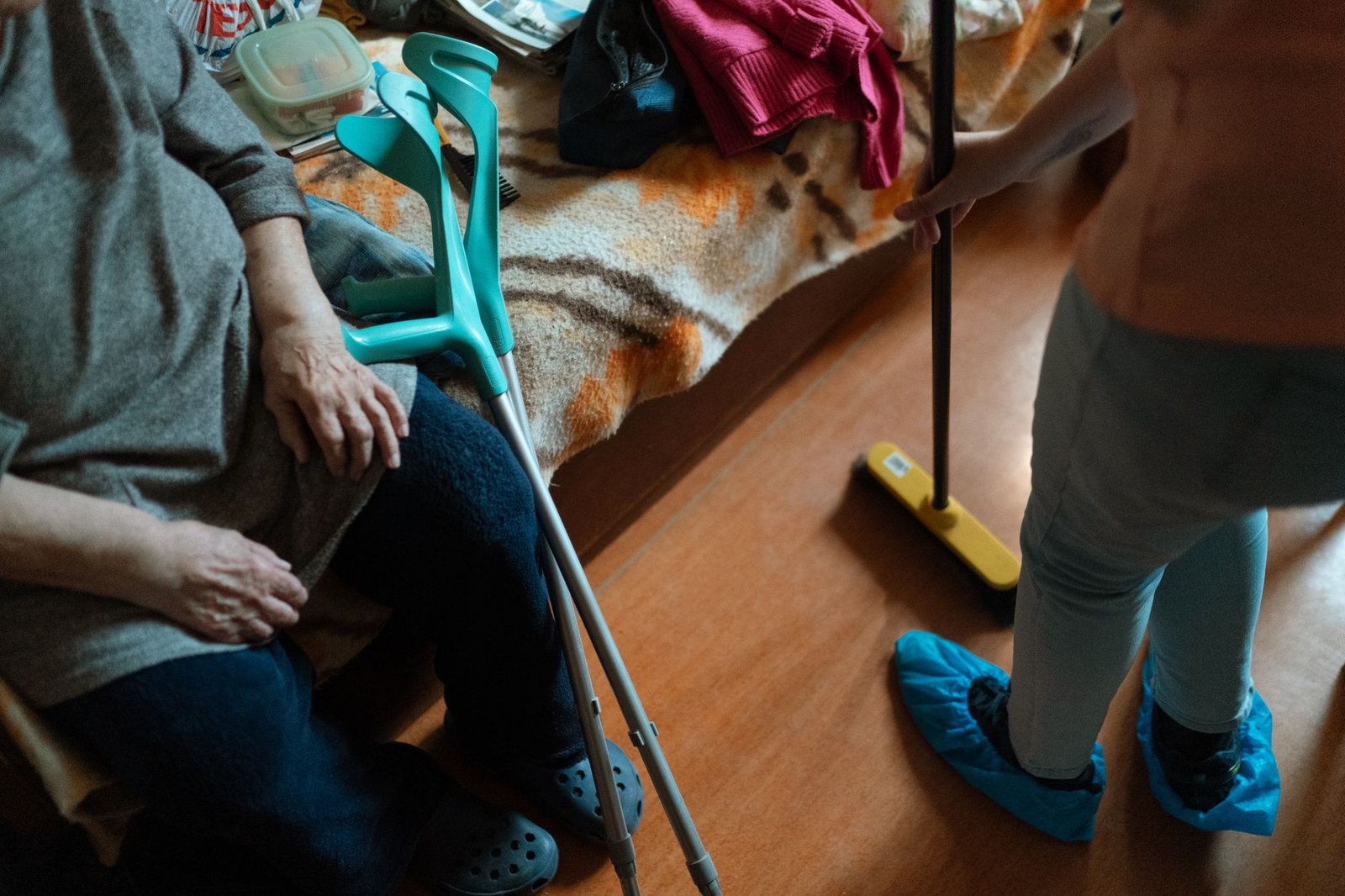
Choosing a live-in care agency in London is easier when you compare the whole arrangement: who assesses the need, who introduces or manages the carer, what the client is responsible for, and what happens if circumstances change. A live-in care agency should explain its role before a family compares prices. This guide gives families a practical checklist before they make contact.
Would you like to talk through your situation?
Call +44 20 8156 5799Why the agency model matters
When a family searches for a live-in care agency in London, the first useful question is not “which logo looks best?” It is “who will be responsible for what?” Some organisations employ or manage care workers and may need registration for regulated activities. A live-in care agency should make that difference clear. An introductory agency helps a person find a suitable self-employed carer, then the client directs the arrangement. The words sound similar online, but the responsibilities are different.
Ask every provider to explain the model in plain English. Find out who agrees the care tasks, who pays the carer, how holidays and sickness are handled, and who you contact if a concern arises. This protects the person receiving support and helps the family compare like with like.
Clarify the model
Ask whether the provider employs, manages, or introduces the carer and request the explanation in writing.
Start with responsibility
Describe the need
Share routines, risks, communication preferences, timing, and the home setup before discussing a match.
Build an honest brief
Review the fit
Meet proposed carers, ask questions, and agree a review point before deciding whether the arrangement is right.
Keep choice and control
Questions to ask before choosing a London agency
A good comparison is specific. Take notes during each call and ask the same questions of every provider. The answers should help you understand the whole arrangement, not just the first introduction.
- What type of service do you provide, and who directs personal care after a match?
- How do you assess the person’s needs, wishes, communication, and home environment?
- How are carers selected, introduced, and given information about the role?
- What happens if a carer is ill, takes a planned break, or the match does not work?
- What costs are included, what is paid directly to the carer, and which expenses are separate?
- What written terms cover notice, reviews, safeguarding concerns, privacy, and ending the arrangement?
- Which tasks need a nurse, therapist, district team, or another registered professional?
If a provider avoids these questions or rushes you into a fixed promise, pause. A family should have enough information to make a measured decision, especially when the person receiving support is anxious about change.
Checking safety, suitability, and local knowledge
Families should check references, identity, relevant experience, training, and the arrangements for safeguarding and emergencies. A DBS check may be part of a recruitment process, but it is only one part of a wider suitability decision. Ask how the person’s preferences will be respected and how concerns will be passed to the right professional.
London homes vary from flats with limited lift access to larger houses where a private bedroom is available. Explain the layout, stairs, equipment, pets, cultural routines, and local travel needs. If the person attends appointments or values a particular community, include that information in the brief rather than assuming a carer will discover it later.
Use current official guidance. CQC explains when an introductory agency is outside registration and when an ongoing role in personal care may require registration. Read the guidance and ask the provider to explain how it applies to the proposed arrangement. Ask each live-in care agency to explain who directs the care.
Comparing costs without comparing headlines
“How much does live-in care cost in London?” is a reasonable question, but a headline figure cannot show whether two arrangements are equivalent. Ask whether the quote covers the introduction, the carer’s payment, agency fees, travel, breaks, meals, notice, and any administration. Confirm whether the proposed support is full-time live-in care or a different package. A live-in care agency should list the included items clearly.
Keep public funding separate from private pricing. A local authority needs assessment, direct payment, or NHS Continuing Healthcare assessment has its own eligibility rules; an agency cannot promise an outcome. If funding is being considered, contact the relevant council or NHS team early and keep copies of decisions and care plans. If a live-in care agency is only making an introduction, ask how that handover works.
Need help understanding a quote? Call 020 8156 5799 for an introductory conversation about what to ask next.
What a thoughtful matching process looks like
Matching is more than finding someone who is available. The conversation should cover the person’s routines, interests, communication, language, care experience, and the practical expectations of living in the home. The family should have an opportunity to meet or speak with a proposed carer and raise concerns before any commitment.
Agree how the first few days will work. Decide who receives updates, how changes are recorded, and when the arrangement will be reviewed. If the person’s needs change, ask the relevant healthcare or social-care professional for advice before adding tasks that were not part of the original plan.
A simple next step for your family
Write a one-page brief: who needs support, where they live, what a normal day looks like, what has changed, when help may be needed, and what the family hopes to preserve. Take that brief to two or three agencies and compare the answers. The right provider should make the responsibilities, costs, and next steps easier to understand. The right live-in care agency conversation leaves room for questions.
Joyful Care can discuss an introductory arrangement across London and explain what information is needed before a possible match. There is no obligation to proceed.
Frequently asked questions
What is a live-in care agency?
A live-in care agency may provide regulated care or introduce a self-employed carer. Ask which model applies, who directs the care, and who holds responsibility after an introduction.
How do I compare live-in care agencies in London?
Compare the care model, assessment process, carer matching, absence cover, written terms, current costs, and how the agency handles concerns. A live-in care agency should answer these points clearly; a clear answer is more useful than a broad promise.
Do I need a spare bedroom for a live-in carer?
Usually, a live-in arrangement needs a private bedroom and access to basic facilities. Confirm the home requirements during an assessment before making a commitment.
How much does live-in care cost in London?
There is no single price. Costs depend on needs, duration, the arrangement, and the carer match. Request a current written quote that explains what is included and any separate expenses.
Is a live-in care agency regulated by CQC?
It depends on the activity. CQC explains that introductory agencies can be exempt when they only introduce care workers and have no ongoing role in directing personal care. Check the agency’s stated model and current CQC information.
How do we get started with Joyful Care?
Call Joyful Care on 020 8156 5799 or use the contact page. We ask about the person, the home, timing, and the support already in place before discussing a possible introduction.
Official guidance and further reading
Care and funding rules can change. These sources are useful starting points; they do not guarantee a care package, a carer match, or a funding decision.
Contact Joyful Care
Call for a calm, no-pressure conversation about timing, the home, and the type of support you are considering. We will explain the next step and the information needed before any introduction.
Direct line
+44 20 8156 5799Office
128 City Road, London EC1V 2NX
Ready to compare your care options?
We respond to enquiries as promptly as the details and a suitable introduction allow.